Winding Services For OEMs

Specialty Winding Services for Magnetic Components

General Linear Systems provides specialty winding services for OEMs and manufacturers that need magnetic components built to established drawings, electrical requirements and production needs. With more than 50 years of magnetic component manufacturing experience, General Linear supports projects ranging from rapid prototypes to recurring production.

Customers work with General Linear for experienced winding capabilities, in-house manufacturing resources and a straightforward path from print review to production. For new programs, rapid prototyping can typically be completed in about three to four weeks.
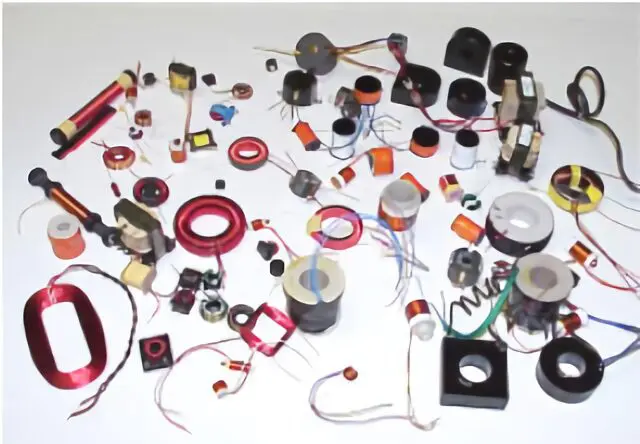
custom coils

Specialty Coil and Magnetic Component Winding

Winding is at the center of many of the magnetic components General Linear manufactures. Depending on the design, the process may involve winding magnet wire around a bobbin, toroidal core or other form to create the electrical and magnetic characteristics required by the application.

General Linear supports winding for solenoid and bobbin coils, toroidal products, inductors, transformers, current-sensing components and air coils. Its manufacturing capabilities include more than 1,000 solenoid bobbin sizes, in-house bobbin-making capabilities and a machine shop. General Linear also maintains toroidal winding equipment for components such as current-sensing transformers, inductors, common-mode chokes and pulse transformers.

Where Wound Components Are Used

A wound component may be responsible for creating motion, detecting current, filtering electrical noise or transferring electrical energy. The winding pattern, wire size, core, resistance and other specifications depend on what that component needs to do inside the finished system.

For customers bringing an established design into production, General Linear can evaluate prints and material requirements before prototyping the component and preparing it for repeat manufacturing. This makes winding part of a larger manufacturing process rather than simply a one-off coil-making service.

Industries That Use Specialty Winding

Aerospace: Wound coils, inductors, and transformers can support power conversion, sensing, switching, and electromechanical systems used in aerospace equipment and systems.

Medical: Solenoid coils and other magnetic components can be used where electrical signals need to control valves, movement, sensing, or power within medical equipment.

Military: Coils, transformers, and inductors can be manufactured for military applications that require dependable electrical performance. These components may be used in communication systems, power supplies, control equipment, electronic assemblies, and other specialized systems.

Infrastructure: Wound components can support traffic controls, sensing systems, and other electrical equipment. Coils and inductors can help manage electrical signals, support vehicle detection, and provide reliable performance in traffic applications.

Automotive: Solenoids are used throughout vehicle systems, including transmission controls, fuel injection, door locks, HVAC controls, and valves.

Energy: Transformers, inductors, and current-sensing components support power conversion, filtering, monitoring, and control in energy-related systems. Transformers remain an important part of electrical power distribution and management.

Security: Specialty wound components can support access control, alarm, monitoring, detection, and other electronic security systems. Solenoid coils, transformers, and inductors can control movement, manage power, or support sensing functions.

Aviation: Specialty wound components can support electrical and electromechanical systems used in commercial and specialized aviation equipment, including power supplies, controls, sensors, and communication systems.

Industrial: Coils, solenoids, transformers, and inductors are used in industrial equipment for automation, sensing, power management, switching, and motion control. Applications can include manufacturing equipment, machinery, control systems, and automated processes.

PC/Mobile Technology: Small wound components such as inductors, transformers, and coils can support power management, signal filtering, voltage conversion, and other electronic functions within computers, mobile devices, and related technology.

Talk to General Linear About Your Winding Requirements

Have a print, specification, or production requirement ready for review? Contact General Linear Systems to discuss specialty winding, prototyping, and ongoing manufacturing support for your magnetic components.

FAQs

What types of components can General Linear wind?

General Linear manufactures solenoid and bobbin coils, toroidal components, inductors, transformers, current-sensing components, air coils, and other specialty wound magnetic components.

Can General Linear work from an existing print?

Yes. The normal process begins with reviewing customer prints and specifications, followed by material evaluation, prototyping, and production planning.

Does General Linear provide prototype winding?

Yes. Rapid prototyping is an important part of General Linear's process, with typical prototype turnaround of approximately three to four weeks.

Can General Linear support recurring production?

Yes. Most of General Linear's business is recurring contract manufacturing, making the company well-suited for customers that need a winding partner beyond the prototype stage.